
Does Every Modern Business Still Need a Website?
Author: Kordian Pach
Modern business demands an online presence, but is having a website still a must-have for every company?
Some people believe that success can be built entirely through social media, and perhaps it’s working for you. However, more and more people are realising that even small changes to social media algorithms can have a very real impact on your reach, and therefore, your income.
Users of Meta platforms (Instagram and Facebook) have already experienced this first-hand, as their reach was drastically reduced, effectively forcing them to pay for PPC advertising.
Recently, the business community, particularly the B2B sector, was shaken by news that LinkedIn might be following a similar path. Yet, few realise that the first to adopt such restrictive practices were actually stock photography platforms.
I found this out the hard way within just one month, I lost a significant part of my income from online photo sales when Shutterstock changed its algorithms and the visibility of my portfolio dropped dramatically.
So, what can you do to reduce the risk of losing your business as a result of social media platform changes?
The answer is quite obvious, it’s time to reconnect with your own website, refresh its design, and invest in modern solutions. Not as a replacement for social media, but as a way to become independent from it and diversify your risk.
Main reasons why your business should still have own website
🔹 It builds credibility and professionalism
A website acts as your business card, it gives the impression that your company is real and trustworthy. Of course, we all know fake sites exist purely to scam unsuspecting visitors, but I’ll explain later how to build genuine trust.
It’s worth remembering that customers (especially those purchasing higher-value products or services) often check a company’s website before making a decision. While simply having a website may not seem extraordinary, not having one can raise doubts: “Is this even a legitimate business?”
🔹 Holding full control over your content
And here we get to the heart of the matter, unlike social media platforms (where algorithms and policies can change overnight), your website gives you 100% control over how your brand, offer and message are presented.
Once you understand what content belongs on your site, it becomes easy to plan updates and build a loyal audience.
I’ll soon be sharing an in-depth post on planning content for both sales and informational websites.
🔹 Be visible in Google
This is a crucial part of your online presence. Even though AI tools are gaining popularity, most people still look for products and services using Google.
Your website allows you to appear in those search results, something social media profiles simply can’t offer at the same level.
There’s just one condition: your website must be regularly updated and built with proper SEO principles in mind.
🔹 Sale easier with automations
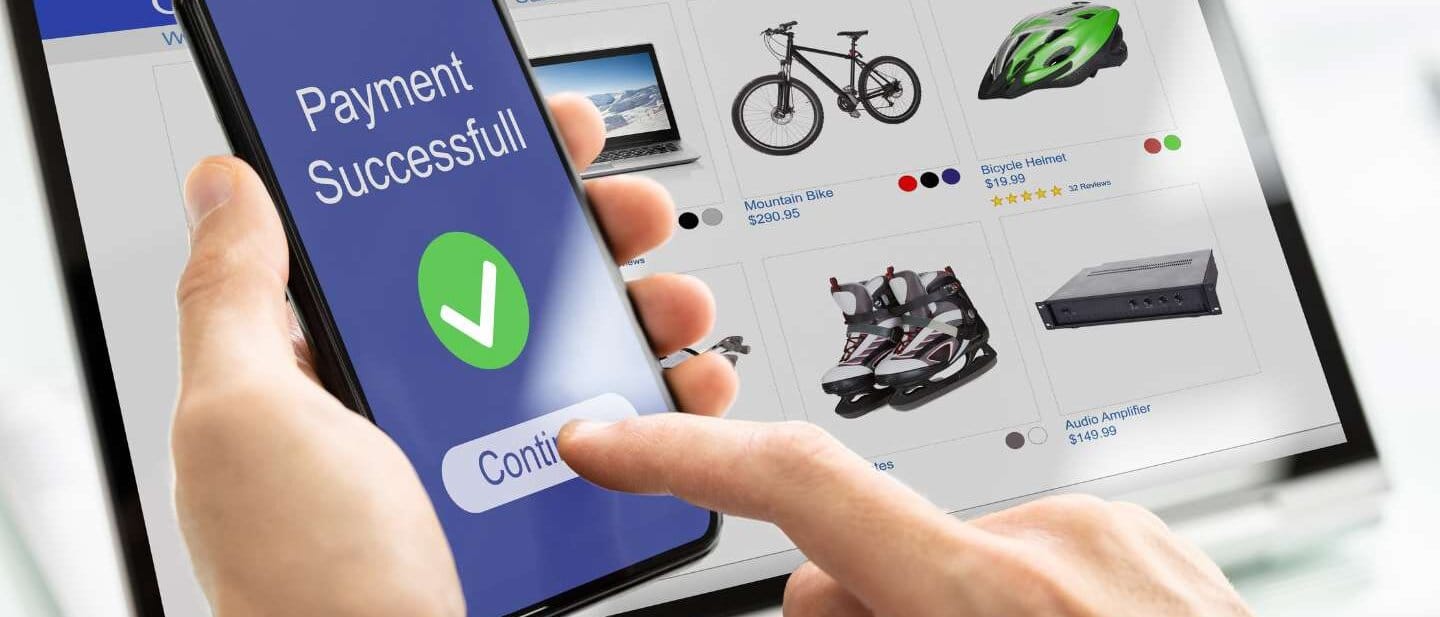
An online shop, contact form, booking system or payment gateway, all of these work 24/7 without your direct involvement.
For example, one of the training platforms I built continues to generate between £2,000 and £4,000 per quarter from content produced back in 2019.
A valuable product can, to some extent, sell itself (though that’s a simplification). You might say, “£4,000 isn’t much of a business,” but would you really turn down £12,000 a year from online sales that run automatically?
Other online shops I’ve helped build generate much higher profits, though they require consistent promotion. Still, knowing that sales happen on your own terms, through your own platform, without paying multiple layers of commission, is a great feeling.
And remember, your website works 24/7, it continues to present your offer, build trust and encourage contact, even while you sleep.
Even if you’re not aiming for aggressive marketing, your site still acts as a professional digital business card that’s always available.
🔹 Build your brand and recognition
Your website allows you to create a consistent brand image, colours, logo, story, values, and testimonials.
This has a far stronger impact on potential clients than random social media posts.
And suppose you can strategically use social media to share small “breadcrumbs” of your expertise that lead audiences to your website, where they find more detailed information and your offer. In that case, you’re already halfway to success.
🔹 Stay independent from platforms
As I mentioned earlier, but it’s worth repeating, if Facebook, Instagram or LinkedIn suddenly limit your reach or suspends your account due to false reports, you lose contact with your clients instantly.
You simply vanish from public view, as if erased from a page.
Your own website and mailing list act as protection against that risk.
🔹 Diversify your income
Imagine you run a thriving showroom on your city’s main street. Now imagine that due to nearby roadworks, all traffic is suddenly diverted for two months, and no one walks in.
A well-optimised website with your portfolio, case studies and full offer can literally make the difference between surviving or folding.
And if you already have online sales set up, you’re in an even stronger position.
Yes, it might get tougher, but you’ll ride out the storm.
Remember Covid-19 and all the closed shops? Who came out on top? Online businesses are delivering directly to customers’ homes.
But What If My Business Runs Purely on Referrals and I’m Already Fully Booked?
Many entrepreneurs (especially those who work through referrals) believe that since they get clients without advertising, they don’t need a website.
And indeed, as long as the work keeps coming, it’s hard to argue with that logic.
But here’s the key point: a website isn’t just a tool for attracting new clients, it’s also a powerful way to strengthen and scale the reputation you’ve already built.

💡 1. A website makes your referrals even stronger.
When someone recommends your services, the other person will still look you up on Google, Maps, social media or platforms like Trustpilot or Checkatrade.
We all know unhappy clients are far more likely to leave a bad review than satisfied ones are to leave a good one.
That’s why it’s so important to present yourself strongly on your own platform.
If your website showcases a rich portfolio, clear service process and authentic client testimonials (ideally video-based and unscripted), you control the narrative.
A potential customer who sees your positive feedback might be persuaded even if they’ve come across the odd complaint elsewhere.
Your website serves as social proof, confirming that your business is reliable and trustworthy.

Quote of the Article:
💼 2. Look more professional
This is especially vital when working with corporate clients, institutions or established brands.
If you want to collaborate with them, a professional website isn’t just something nice to have, it’s often a formal requirement in tenders and partnership applications.
Make sure your site includes an updated portfolio, references, pricing and case studies. Show that you take your business seriously.
🕓 3. Work smarter, not harder
When you receive lots of enquiries, the same questions tend to repeat: “How much does it cost?”, “How do you work?”, “How can I book you?”
A well-structured website with FAQs, sample offers and automated tools can handle many of these for you.
It helps you prequalify leads, respond faster and ensure that potential clients never feel ignored, even if your reply isn’t immediate.
🚀 4. Be ready for what’s next
Referrals are fantastic until they stop coming.
If something changes (the market, your area, or trends), your website becomes your safety net, allowing you to reach new clients without starting from scratch.
Regular updates and blog posts keep your website credible and visible.
It’s always better to start late than not at all.
Your clients already trust you, your website doesn’t replace referrals; it amplifies them, making every recommendation stronger and more persuasive.